Pico de Gallo vs. Salsa: Understanding the Core Differences for Authentic Flavor
For anyone who loves vibrant, fresh Mexican cuisine, the terms "pico de gallo" and "salsa" often get used interchangeably. While both are essential components of a truly authentic spread, they possess distinct characteristics that set them apart. Understanding these differences isn't just about semantics; it's about appreciating the unique textures, flavors, and culinary traditions behind each. If you've ever wondered why your homemade version doesn't quite match the restaurant's, or are simply searching for the perfect
pico de gallo recipe, you've come to the right place. Let's dive into what makes each condiment special and how you can master them at home.
What is Pico de Gallo? The "Rooster's Beak" Mystery Unraveled
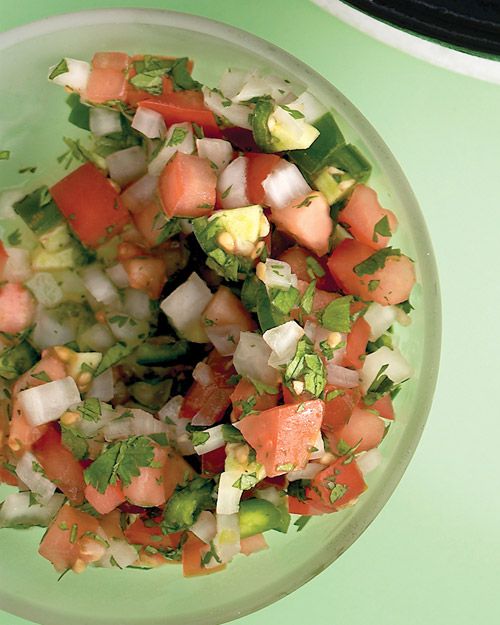
At its heart, pico de gallo is a type of *salsa fresca*, or "fresh salsa" in Spanish. It’s an uncooked, chunky mixture celebrated for its bright, clean flavors and vivid colors. The defining elements typically include finely diced ripe tomatoes, red or white onion, fresh cilantro, fiery jalapeño or serrano peppers, and a generous squeeze of lime juice. Salt and sometimes a hint of cumin and garlic complete the ensemble, enhancing the natural goodness of the raw ingredients.
The intriguing name, "pico de gallo," translates loosely to "beak of a rooster." The exact origin of this moniker remains a subject of playful speculation. Some food historians suggest it might refer to the way the ingredients were traditionally chopped into small, uniform pieces resembling bird feed. Others believe it's because it was originally eaten by pinching it with the thumb and forefinger, much like a rooster pecking at grains. Regardless of its etymology, pico de gallo is universally loved for its ability to cut through rich flavors, add a refreshing tang, and bring a textural crunch to any dish. It’s the kind of condiment that instantly elevates a simple taco, transforms a bowl of tortilla chips into a party appetizer, or brightens grilled meats and eggs.
Pico de Gallo vs. Salsa: Decoding the Key Distinctions
While pico de gallo is indeed a member of the vast salsa family, it stands out with several critical differences from the more common, blended salsas found in many Mexican restaurants or store shelves. Understanding these nuances is key to appreciating its authentic character.
- Texture and Consistency: This is arguably the most significant differentiator. Pico de gallo is *always* made with diced and chopped ingredients, resulting in a chunky, fresh, and slightly drier texture. There is minimal liquid, as the emphasis is on the individual pieces of vegetables. Traditional salsas, on the other hand, can range from smooth and pureed to gently mashed, often having a much thinner, saucier consistency due to blended ingredients and sometimes added water or broth.
- Ingredient Preparation: Pico de gallo relies exclusively on fresh, raw ingredients. Every component—from the tomatoes to the peppers—is used in its uncooked state. Many salsas, however, incorporate cooked elements. Tomatoes might be roasted, grilled, or boiled; onions and peppers are often sautéed or charred before blending. This cooking process alters the flavor profile significantly, adding depth and sometimes a smoky sweetness that isn't present in pico de gallo.
- Liquid Content: As mentioned, pico de gallo contains very little liquid. The moisture comes naturally from the tomatoes and lime juice, but it's never watery. This makes it ideal for topping dishes where excess liquid might make things soggy. Blended salsas often have a higher liquid content, making them perfect for dipping or pouring over dishes.
- Flavor Profile: Because pico de gallo uses only raw ingredients, its flavor profile is exceptionally bright, vibrant, and clean. You taste each component distinctly. Salsas that are cooked or blended tend to have a more integrated, sometimes deeper and mellower, flavor.
In essence, if you're looking for a fresh, chunky, and invigorating bite that highlights the crispness of each ingredient, pico de gallo is your champion. If you prefer a smoother, perhaps richer and more complex flavor that might have smoky undertones, a blended or cooked salsa is likely what you seek.
Crafting the Perfect Pico de Gallo: Essential Ingredients for an Authentic Recipe
The secret to an outstanding homemade pico de gallo lies in the quality and freshness of your ingredients. There's no hiding subpar produce when everything is raw and diced. Here’s a breakdown of the key components for an authentic
pico de gallo recipe and why each choice matters:
- Tomatoes: Opt for Roma (plum) tomatoes. Their firm flesh and lower water content make them ideal, ensuring your pico de gallo remains chunky and not overly watery. Choose ripe, red tomatoes that feel heavy for their size. While other varieties can work, Roma tomatoes are a classic for a reason.
- Onion: Many traditional recipes call for white onion, which offers a sharp, pungent bite. However, red onion is an excellent alternative, lending a slightly milder, sweeter flavor and a beautiful pop of color. The choice is yours, but ensure it's finely diced for even distribution.
- Cilantro: Fresh cilantro is non-negotiable for that signature herbaceous, bright flavor. Its vibrant green hue also adds visual appeal. If you're one of the few who find cilantro soapy, fresh parsley can be a decent, albeit different, substitute.
- Chiles: Jalapeños are the go-to for many, providing a moderate heat level. For a more traditional Mexican kick, consider using serrano peppers, which are typically hotter and offer a slightly different nuanced flavor. Remember, most of the heat resides in the seeds and membranes, so remove them for a milder pico or leave some in for extra spice.
- Lime Juice: Freshly squeezed lime juice is crucial. It adds a zesty, fruity brightness that balances the other flavors and also acts as a natural preservative, keeping the pico de gallo looking and tasting fresh.
- Garlic: While some traditional recipes omit it, a touch of fresh minced garlic can add a wonderful aromatic depth. You can even combine fresh garlic with a pinch of garlic powder for a more pronounced, savory base, as some modern recipes suggest.
- Cumin: A small pinch of ground cumin introduces a warm, earthy note with a subtle sweetness, rounding out the flavor profile and adding complexity.
- Salt and Pepper: These aren't just for seasoning; they're flavor enhancers. Salt brings out the natural sweetness of the tomatoes and balances the acidity of the lime, while black pepper adds a subtle background warmth.
Mastering Your Homemade Pico de Gallo: Tips for Success
Making restaurant-quality pico de gallo at home is surprisingly simple, but a few expert tips can elevate your creation from good to unforgettable. As culinary producer Nicole McLaughlin (a.k.a. NicoleMcMom) wisely puts it, homemade is "fresher, more colorful, crunchier, and cheaper" than store-bought, so why not invest a little time? For even more detailed guidance, be sure to check out
Mastering Pico de Gallo: Pro Tips for Perfect Fresh Salsa.
- Prioritize Freshness: This cannot be stressed enough. Since there's no cooking involved, the quality of your raw ingredients dictates the final taste. Seek out the freshest, ripest produce available.
- Consistent Dicing: Aim for uniform, small dice for all your vegetables. This ensures an even distribution of flavor in every bite and a pleasing texture. Too large, and it becomes a salad; too small, and it loses its characteristic chunkiness.
- Control the Heat: The recipe might call for half a jalapeño, but this is where your personal preference comes in. Don't be afraid to adjust. If you love heat, use a whole pepper or more, and consider leaving some of the seeds and membranes. For milder versions, remove all seeds and membranes, or even substitute with a bell pepper for a zero-heat option.
- Let it Mingle: While you can eat pico de gallo immediately, letting it rest in the refrigerator for at least 30 minutes allows the flavors to meld and deepen. An hour is even better.
- Taste and Adjust: Always taste before serving. Does it need more salt? A little extra lime juice for brightness? Don't be afraid to fine-tune the seasonings to your liking.
- Serving Versatility: Pico de gallo isn't just for chips! It's fantastic on tacos, burritos, quesadillas, huevos rancheros, grilled fish, chicken, or steak. It can even be a refreshing side dish.
Ready to create your own vibrant, authentic pico de gallo? You'll find a detailed, step-by-step guide to an incredible
Easy Homemade Pico de Gallo Recipe: Fresh & Flavorful that brings all these elements together perfectly.
Conclusion
The world of Mexican cuisine is rich with flavors and traditions, and understanding the nuances between pico de gallo and other salsas enriches the entire experience. While both offer deliciousness, pico de gallo distinguishes itself with its vibrant freshness, chunky texture, and reliance on uncooked ingredients, making it a true celebration of nature's bounty. Mastering a simple
pico de gallo recipe not only brings an authentic taste of Mexico into your home but also equips you with a versatile condiment that elevates countless dishes. So, next time you're planning a meal, skip the store-bought sauce and embark on a culinary adventure that promises freshness, flavor, and a delightful crunch.