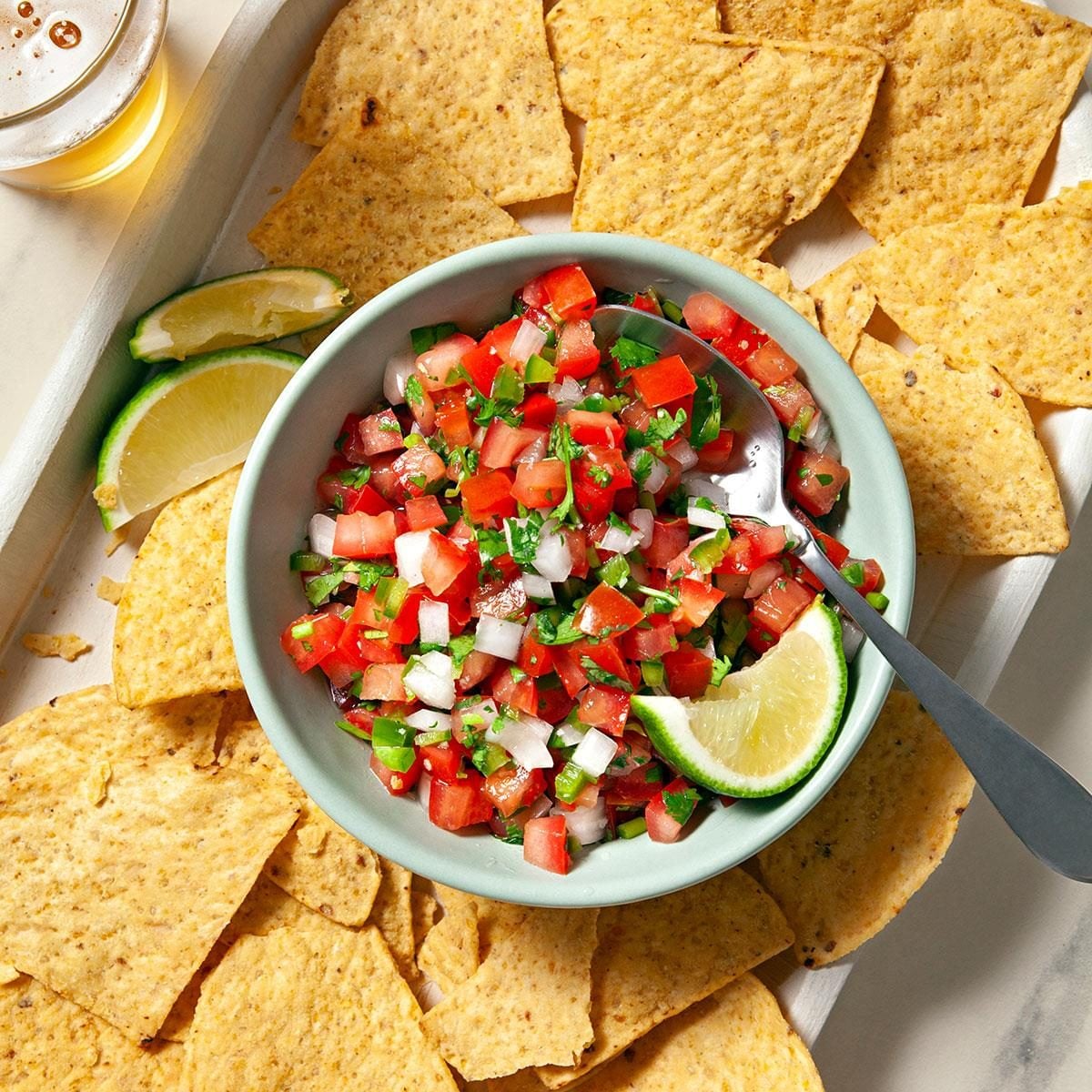
Mastering Pico de Gallo: Pro Tips for Perfect Fresh Salsa
There's something undeniably vibrant and soul-satisfying about a truly great pico de gallo. This fresh, uncooked salsa, bursting with the colors and flavors of ripe produce, isn't just a condiment – it's an experience. Whether you're scooping it up with crispy tortilla chips, adorning your favorite tacos, or adding a zesty kick to grilled meats, homemade pico de gallo elevates any dish. Forget the store-bought versions; creating restaurant-quality pico in your own kitchen is not only achievable but also incredibly rewarding. This article will guide you through the essentials, sharing expert tips and insights to help you perfect your very own
pico de gallo recipe.
Decoding Pico de Gallo: More Than Just Salsa
Before we dive into the delicious details, let's clarify what makes pico de gallo unique. Often loosely translated as "rooster's beak," the origin of its name is shrouded in mystery. Some popular theories suggest it comes from the way it was traditionally eaten – by pinching individual pieces between the thumb and forefinger, much like a bird pecking. Regardless of its whimsical name, understanding its distinction is key to appreciating this culinary gem.
Pico de gallo is, indeed, a type of salsa, but it stands apart from the more common blended or cooked varieties you might encounter. The core differences lie in its texture, ingredients, and preparation:
- Freshness is Paramount: Unlike some salsas that incorporate cooked ingredients or canned tomatoes, pico de gallo relies exclusively on fresh, raw produce.
- Minimal Liquid: This is perhaps the most defining characteristic. Pico de gallo is a "dry" salsa, featuring chunky, diced ingredients with very little accumulated liquid, in contrast to the often thinner consistency of traditional salsas.
- Always Chopped, Never Blended: While many salsas can range from pureed to gently mashed, pico de gallo maintains a distinct, coarse texture thanks to its finely diced and chopped components. Each ingredient retains its individual integrity and bite.
This unique composition gives pico de gallo its signature fresh crunch and vibrant visual appeal. To truly grasp the nuances and diverse world of Mexican salsas, explore the fascinating comparisons in our detailed guide:
Pico de Gallo vs. Salsa: Key Differences & Authentic Recipe.
The Foundation of Flavor: Essential Pico de Gallo Ingredients
The secret to an outstanding
pico de gallo recipe lies in one simple rule:
use the freshest, highest-quality ingredients you can find. Each component plays a vital role, contributing to the overall balance of flavor, texture, and color.
*
Tomatoes: The heart of your pico.
Roma (plum) tomatoes are often recommended and ideal for pico de gallo. Their firm flesh, fewer seeds, and lower water content prevent your salsa from becoming watery. Look for ripe, bright red tomatoes that feel firm and plump to the touch. While Romas are excellent, any firm, flavorful tomato can work – just be mindful of removing excess seeds and pulp if using a very juicy variety.
*
Onion: Providing a pungent counterpoint to the sweet tomatoes. While traditional recipes often call for white onion,
red onions offer a slightly sweeter, milder bite and a beautiful pop of color. Feel free to use your preferred onion, but remember that finely dicing is crucial for an even distribution of flavor. For a slightly milder taste, you can rinse diced red onions under cold water and pat dry before adding to the mix.
*
Cilantro: The herbaceous soul. Fresh cilantro adds an unmistakable bright, citrusy, and slightly peppery flavor that is quintessential to pico de gallo. Always use fresh, vibrant green leaves. If you're one of those who find cilantro soapy (due to a genetic predisposition), fresh parsley is a perfectly acceptable, though different, alternative.
*
Jalapeño (or Serrano) Peppers: Bringing the heat. Fresh jalapeños provide a moderate level of spice. For a more traditional Mexican kick, consider using
serrano peppers, which are typically hotter and smaller. Remember, the majority of a pepper's heat resides in its seeds and the white membrane (pith). Adjust the amount of pepper and whether you include seeds based on your desired spice level.
*
Lime Juice: The brightener and preserver. Freshly squeezed lime juice is non-negotiable. It provides a crucial tangy acidity that cuts through the richness of the other ingredients, brightens all the flavors, and helps keep your pico de gallo looking and tasting fresh for longer. Bottled lime juice simply doesn't compare.
*
Garlic: Aromatic depth. While optional in some traditional recipes, garlic adds a wonderful layer of complexity. Many prefer a combination of fresh minced garlic for pungency and a touch of garlic powder for a more rounded, background warmth.
*
Cumin: A subtle secret weapon. Just a pinch of ground cumin can introduce a warm, earthy, and slightly nutty undertone that adds depth and authenticity to your
pico de gallo recipe without overpowering the fresh flavors.
*
Salt and Black Pepper: Flavor enhancers. These essential seasonings aren't just for taste; they awaken and amplify all the other ingredients. Always season to taste, adding gradually until the flavors truly sing.
Crafting Your Perfect Pico: Pro Tips & Techniques
Making pico de gallo isn't just about combining ingredients; it's about technique. Culinary experts often emphasize that homemade pico is "fresher, more colorful, crunchier, and cheaper" than store-bought. Here’s how to master your technique:
Achieving Uniformity with Dicing
The key to pico de gallo's iconic texture and balanced flavor in every bite is uniform dicing.
- Tomatoes: Quarter your Roma tomatoes lengthwise, scoop out the watery core and seeds (this also helps prevent a watery salsa). Then, finely dice the remaining flesh into small, even pieces.
- Onions and Peppers: Aim for a very fine dice for onions, ensuring they don't overpower the other ingredients. For jalapeños or serranos, remove the stem, slice them lengthwise, remove seeds and membranes for less heat (or leave some for more), then finely mince.
- Cilantro: Chop finely, but not to a paste. You want distinct flecks of green.
Balancing the Heat
As culinary producer Nicole McLaughlin advises, "The recipe calls for half a jalapeño, but this is where you have to use your best judgment." Don't be afraid to customize!
- Taste as You Go: Start with a small amount of pepper, mix, and taste. You can always add more heat, but you can't take it away.
- Seeds are Spicy: For an extra kick, leave in some of the seeds and white pith from your jalapeño or serrano. For a milder pico, remove them entirely.
The Power of a Rest
Once all your ingredients are combined, resist the urge to serve it immediately. Allow your pico de gallo to rest for at least 15-30 minutes at room temperature (or in the fridge if longer). This crucial step allows the flavors to meld and harmonize, resulting in a more complex and satisfying taste. The lime juice and salt will also draw out some moisture, contributing to a better texture.
Preventing a Watery Pico
A common pitfall is watery pico de gallo. Here’s how to avoid it:
- Seed Your Tomatoes: As mentioned, removing the watery core and seeds from your tomatoes is essential.
- Drain Excess Liquid: After mixing, if you notice too much liquid accumulating at the bottom, you can gently tilt the bowl and drain some off before serving.
- Don't Over-Salt Too Early: Salt draws out moisture. While necessary, adding too much too soon can accelerate water release. Add salt gradually and taste.
With these techniques, you're well on your way to creating an incredibly fresh and flavorful salsa. For a comprehensive step-by-step guide that puts these tips into practice, check out our easy-to-follow
Easy Homemade Pico de Gallo Recipe: Fresh & Flavorful.
Customizing Your Pico de Gallo Experience
The beauty of a
pico de gallo recipe lies in its inherent adaptability. While the classic combination of tomatoes, onion, cilantro, and jalapeño is perfect, don't hesitate to experiment and make it your own.
*
Sweet Additions: Introduce diced mango or pineapple for a tropical twist that pairs wonderfully with grilled fish or pork.
*
Added Crunch and Heartiness: Incorporate fresh corn kernels (especially roasted corn for extra flavor) or rinsed black beans for a more substantial salsa.
*
Creaminess: Fold in diced avocado just before serving for a rich, creamy texture and healthy fats.
*
Vary the Heat: Go milder with finely diced bell peppers (red or yellow for color) or ramp up the spice with a tiny amount of minced habanero or scotch bonnet peppers (handle with extreme caution!).
*
Smoky Notes: A pinch of smoked paprika can add a subtle, smoky depth.
Remember, the goal is to create a pico de gallo that perfectly suits your palate and complements your meal. Don't be afraid to experiment with small batches until you find your signature combination.
Conclusion
Mastering pico de gallo is a journey of fresh ingredients, precise technique, and personal taste. By understanding the core distinctions of this vibrant salsa, selecting the finest produce, and applying simple pro tips for dicing and seasoning, you can consistently create a homemade masterpiece. From its zesty freshness as a dip to its ability to elevate tacos, eggs, or grilled dishes, a perfectly prepared
pico de gallo recipe is a versatile and essential culinary skill. So, grab your sharpest knife, gather your freshest ingredients, and embark on the delightful journey of crafting your own perfect batch – your taste buds will thank you!